The AI Power Paradox: How Sustainability and Extreme Compute are Redefining Data Center Infrastructure
The global data center industry is at an inflection point. Driven by the exponential growth of Artificial Intelligence (AI) and the increasing scrutiny over its environmental footprint, the sector is undergoing a profound architectural transformation. It is no longer enough to simply build more capacity; facilities must now be **sustainable**, **hyper-efficient**, and capable of handling unprecedented power densities.
The AI Compute Engine: Driving Demand and Density
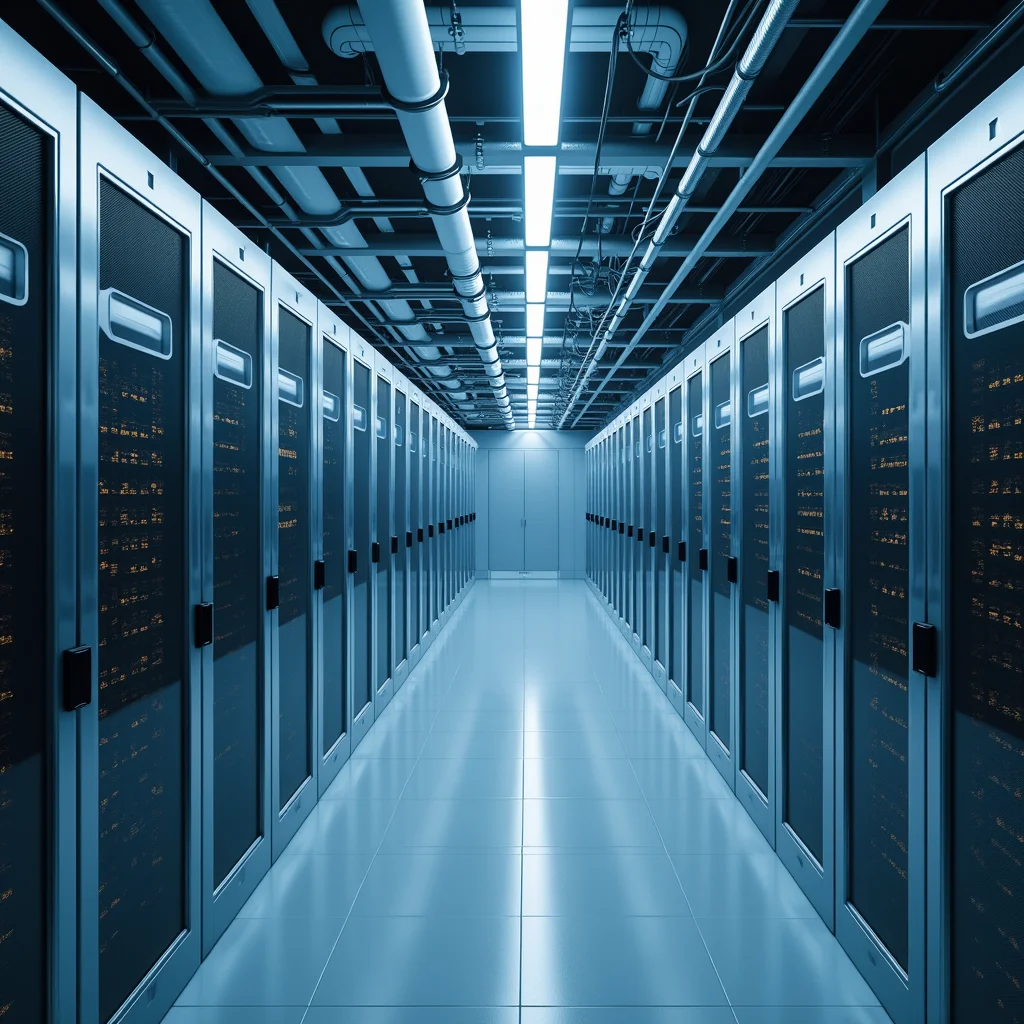
AI workloads—from large language models (LLMs) to advanced simulation—are the primary catalyst for this change. These applications require immense, sustained computational power, leading to a massive increase in heat and power draw. Transactions, such as the recent $108.3M purchase of AI computing time, confirm that AI is the dominant demand driver. This shift mandates a move away from traditional, general-purpose data center designs toward specialized, **high-density compute** facilities.
To manage the heat and power of modern AI GPUs, the industry is rapidly adopting advanced cooling techniques. Liquid cooling and sophisticated Power Distribution Units (PDUs) are becoming essential components, moving beyond simple air cooling to ensure operational resilience and maximize power efficiency. This focus on **power density** is the immediate technical challenge facing infrastructure architects today.
Sustainability and the Net-Zero Imperative
While investment remains robust—evidenced by major capital injections like Blackstone Digital Infrastructure Trust raising $1.75B—the focus has pivoted sharply toward environmental compliance. The industry is grappling with the energy source debate. The withdrawal of proposed rules by climate watchdogs (SBTi) regarding gas-fueled data centers highlights the regulatory uncertainty and the urgent need for verifiable clean energy solutions.
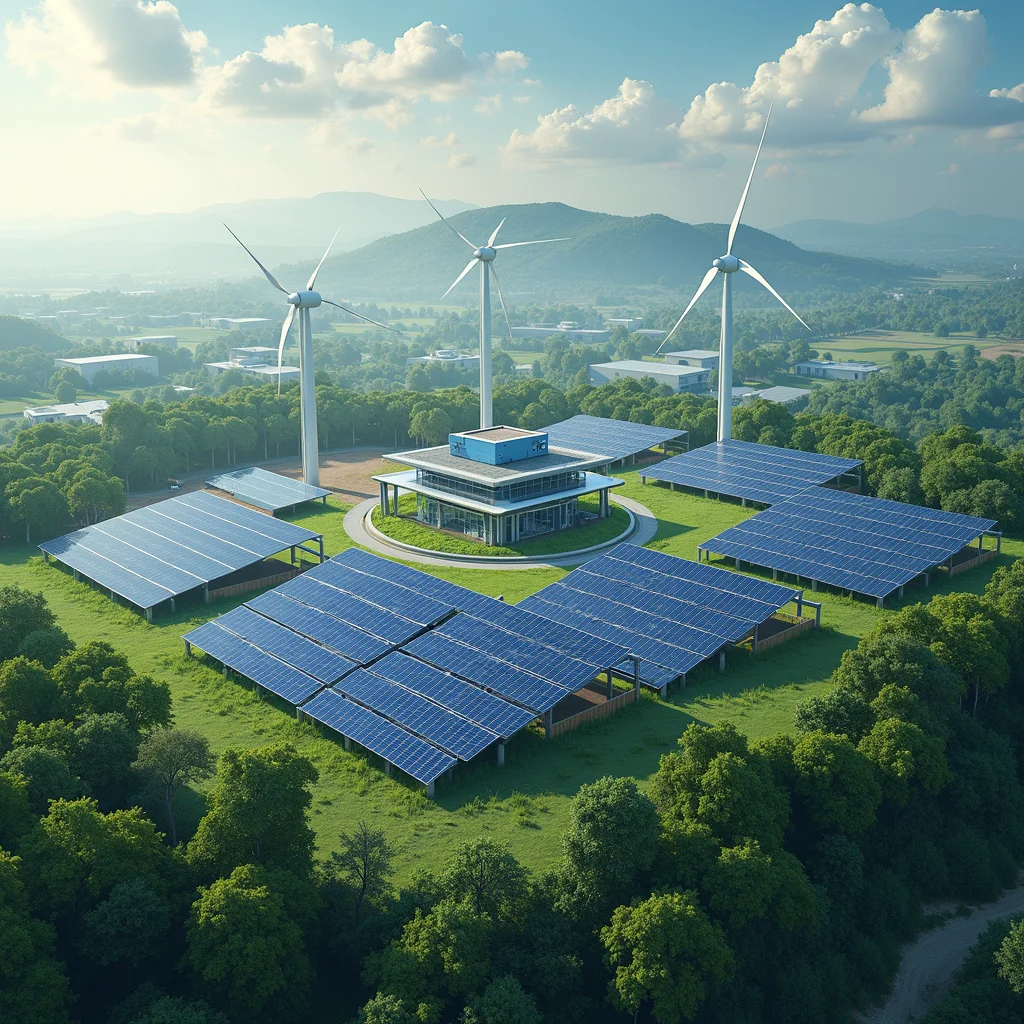
The future of data center infrastructure must prove its net-zero commitment through demonstrable, localized clean energy sourcing, rather than relying solely on purchasing energy credits. This requires a fundamental re-architecture of power management.
This necessity is driving the adoption of **modular design** and localized, resilient power sources, such as microgrids. Infrastructure engineers are now tasked with integrating these complex power systems to meet both the extreme demands of AI and the strict requirements of sustainability.
Architecting for the Future: Key Trends
The convergence of high-power AI needs and net-zero goals is creating a bifurcated market that demands specialized solutions. Three key trends define the next generation of data centers:
- Advanced Power Management: Implementing sophisticated systems to handle fluctuating, high-density loads and minimize waste.
- Modular and Scalable Design: Utilizing pre-fabricated, purpose-built units that can be rapidly deployed and scaled to meet fluctuating AI compute needs.
- Resilient Power Sourcing: Integrating direct AI power sources and microgrids to mitigate global grid instability and ensure maximum uptime.
Ultimately, the successful data center of the future will be defined not just by its **compute capacity**, but by its **power efficiency** and its verifiable commitment to a sustainable, localized energy ecosystem.
For deeper insights into sustainable infrastructure planning, consult the Green IT and Energy Efficiency Standards. Furthermore, understanding the global financial backing is crucial; review reports from Blackstone Digital Infrastructure Trust for market insights.