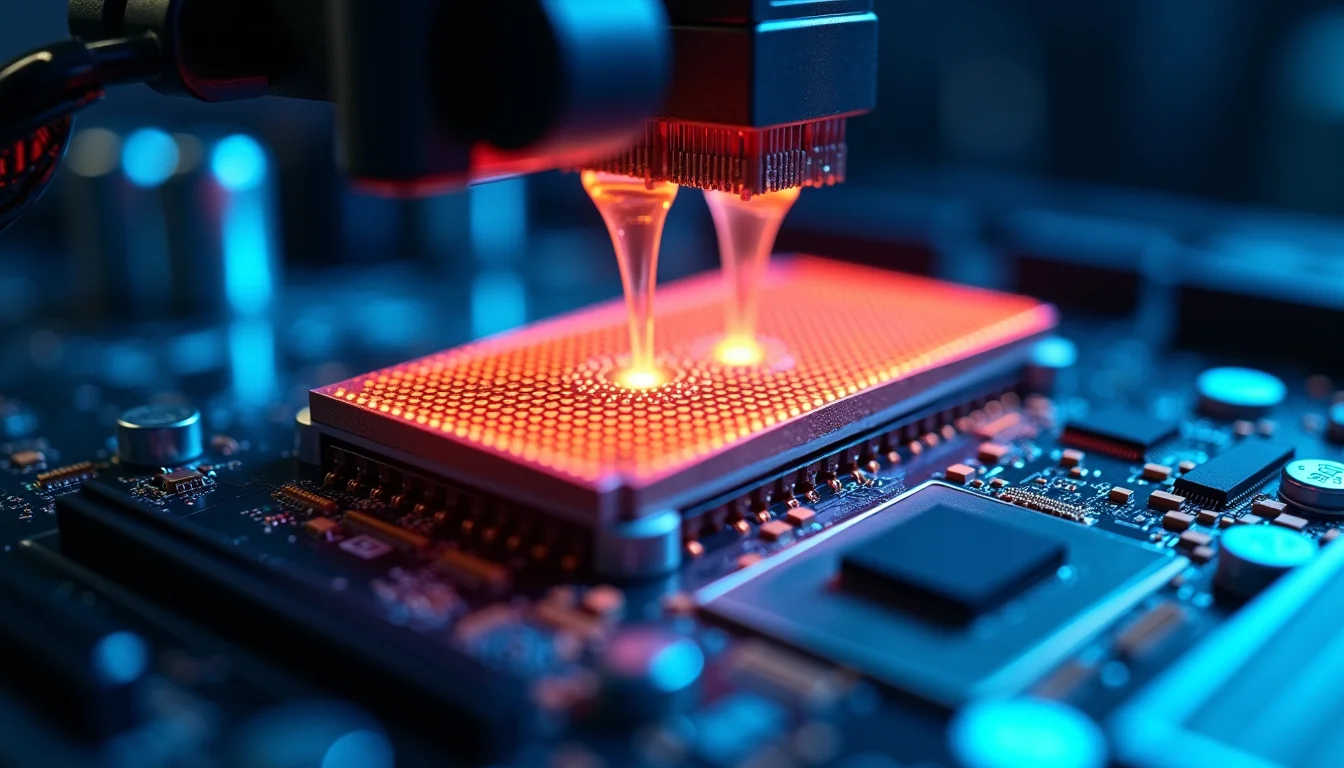
The global data center industry is at an unprecedented crossroads. On one side, massive institutional capital—epitomized by investments like Blackstone’s $1.75B raise—is fueling an insatiable demand for compute power. On the other, a growing wave of local regulatory opposition and public concern regarding **water and electricity consumption** is threatening the viability of traditional infrastructure. This creates a profound paradox: how do we achieve unprecedented **scale** while meeting a strict **sustainability mandate**?
The Sustainability vs. Scale Paradox
The core tension is clear: traditional cooling methods, such as CRAC/CRAH units, are resource-intensive, drawing significant amounts of water and power. As the industry pushes for higher compute densities, the operational metrics—specifically **Power Usage Effectiveness (PUE)** and **Water Usage Effectiveness (WUE)**—are under intense scrutiny. Local communities are increasingly citing these resource strains, making traditional data center construction a political and environmental liability.
The shift is no longer merely an efficiency upgrade; it is a critical risk mitigation strategy. Data center operators must prove they can achieve net-zero operational goals to secure project approvals and justify massive capital expenditures.
Liquid Cooling: The Technical Imperative
The industry’s answer to this paradox is a fundamental redesign of cooling infrastructure: **advanced liquid cooling**. These solutions move away from simply cooling the ambient air and instead focus on directly removing heat at the source—the silicon chip itself. There are two primary, high-efficiency methods:
Direct-to-Chip (D2C) Cooling
D2C involves circulating liquid coolant directly to cold plates mounted on the hottest components (CPUs, GPUs). This method is highly effective because it captures heat where it is generated, drastically reducing the overall thermal load on the facility’s air handling systems. It significantly lowers the PUE by maximizing heat transfer efficiency.
Immersion Cooling
Immersion cooling involves submerging entire server racks or components into a non-conductive dielectric fluid. This method provides uniform, highly efficient cooling across the entire system. It is particularly effective for high-density AI/ML workloads, where heat output is concentrated and extreme, making it a powerful tool for achieving **net-zero** status.
Future-Proofing Data Centers for Resource Efficiency
For infrastructure engineers and DevOps teams, adopting liquid cooling is synonymous with **future-proofing**. It allows data center operators to maintain high compute density while dramatically reducing their environmental footprint. By prioritizing resource efficiency (low PUE/WUE) over sheer scale, operators can mitigate regulatory risk and ensure long-term operational compliance.
This shift represents a paradigm change, transforming data centers from resource consumers into sustainable, highly efficient utility providers. The ability to manage heat at the source is the key to unlocking the next generation of compute power, ensuring that the massive capital investments can proceed responsibly.
To learn more about the technical standards driving this change, consult resources like the Green Technology Council. For a deeper dive into the financial and regulatory landscape, review reports from McKinsey & Company.