The rapid ascent of Artificial Intelligence (AI) is triggering an unprecedented demand for computational power, creating a massive, systemic challenge for global electrical grids. The sheer scale of this demand—exemplified by utility consolidation deals worth tens of billions—signals that the traditional, centralized power model is obsolete. The future of energy infrastructure is not just about building bigger power plants; it’s about building **smarter, decentralized, and resilient systems**.
The AI Load Crisis and Grid Restructuring
AI data centers, which require immense, continuous power, are fundamentally changing the load profile. This shift necessitates a complete overhaul of grid architecture. The industry is moving away from single points of failure toward highly resilient, localized power solutions. This transition centers on two core technologies: **advanced battery storage** and **microgrid integration**.
Why Microgrids are the Answer
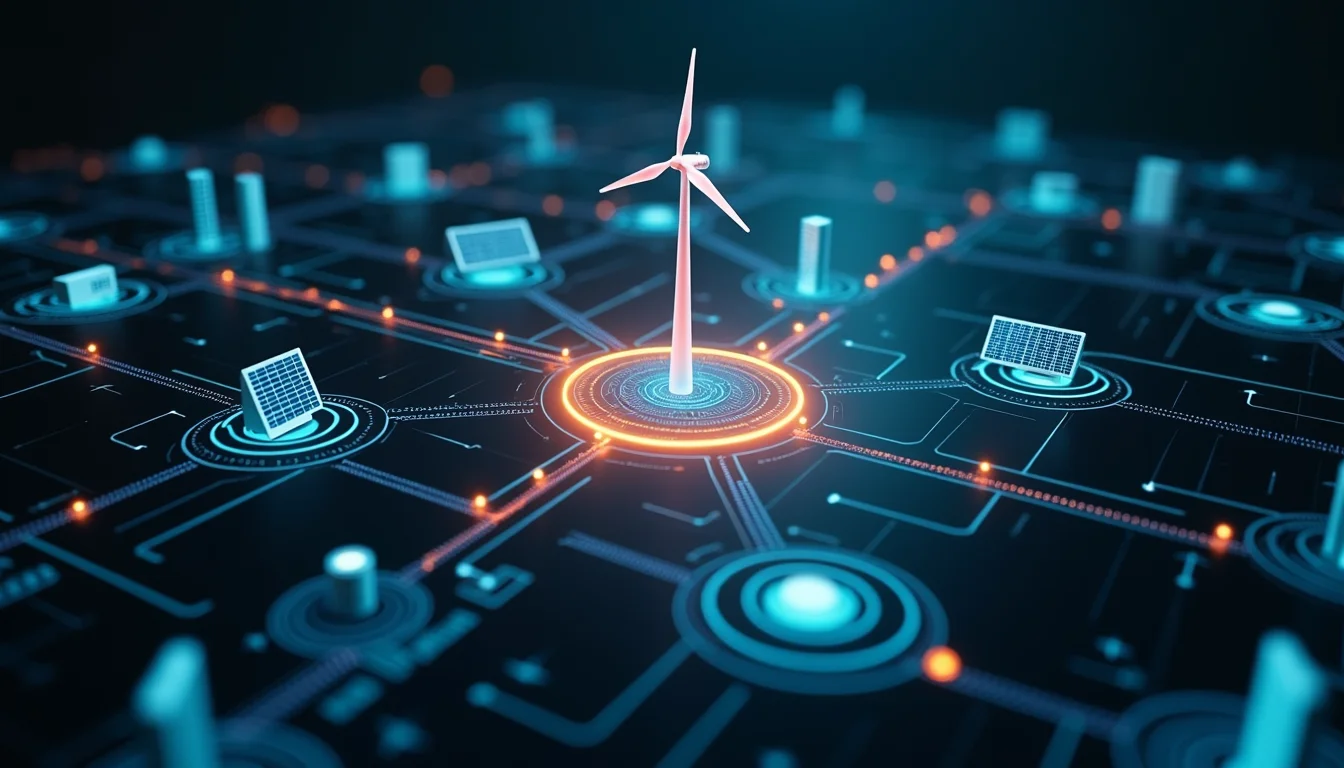
A microgrid is a localized energy system that can operate independently from the main grid (the ‘island mode’) while still connecting to it. This decentralized approach offers unparalleled resilience. Instead of relying on massive, vulnerable central power stations, microgrids combine diverse local sources—solar, wind, and storage—to manage power at the source. This is crucial for maintaining stability when AI load demands spike unpredictably.
The shift to microgrids is not merely an upgrade; it is a mandated architectural pivot. It allows critical infrastructure, like data centers and hospitals, to maintain continuous operation even during large-scale grid failures, ensuring the continuity of the AI economy.
The Role of AI in Grid Management
The complexity of managing a decentralized, multi-source microgrid requires sophisticated intelligence. This is where **AI and Machine Learning (ML)** become indispensable. Modern grid operations are moving beyond simple monitoring into predictive management. Key technical requirements include:
- Predictive Load Balancing: ML algorithms analyze historical consumption patterns, weather data, and real-time AI computational loads to forecast demand spikes minutes or hours in advance. This allows utilities to proactively allocate resources.
- Real-Time Anomaly Detection: Integrating ML into SCADA systems allows for immediate identification of equipment failures or cyber threats, enabling predictive maintenance and rapid response.
- Dynamic Resource Allocation: AI manages the optimal dispatch of energy from various sources—whether it’s drawing from a solid-state battery or curtailing wind generation—to meet the predicted load profile efficiently.
Advanced Storage: The Backbone of Stability
To handle the intermittency of renewable sources and the massive, sudden spikes of AI loads, traditional battery chemistries are insufficient. The industry is rapidly adopting **advanced storage solutions**, such as solid-state batteries and flow batteries. These technologies offer higher energy density, longer cycle life, and superior scalability, making them ideal for the demanding, continuous cycles of a modern microgrid.
The Software Layer: Enabling Integration
The physical hardware (batteries, solar panels, generators) is only half the story. The true innovation lies in the software layer. DevOps engineers and IT professionals are building standardized APIs and open platforms to facilitate the integration of diverse energy sources. This requires a robust focus on **IoT/Edge Computing**, deploying edge devices that manage localized data and optimize resource distribution right where the energy is consumed. Furthermore, as the grid becomes more decentralized and AI-managed, the attack surface expands dramatically. Implementing **zero-trust cybersecurity protocols** tailored for Operational Technology (OT) and Information Technology (IT) convergence is no longer optional—it is mission-critical.
The convergence of energy, computing, and AI is creating a new utility model. Companies that master the integration of **predictive algorithms**, **advanced storage**, and **decentralized microgrid architecture** will define the next generation of critical infrastructure.
Further Reading:
For deeper insights into grid modernization, consult reports from the International Energy Agency (IEA). For technical standards on smart grid deployment, review resources from the National Renewable Energy Laboratory (NREL).