Beyond Screens: How Apple Vision Pro is Redefining Spatial Computing
Apple’s Vision Pro has captured the global imagination, promising a paradigm shift in how humans interact with digital information. This isn’t just another headset; it is a pioneering device that introduces the concept of **spatial computing**, merging the digital world seamlessly with our physical reality. For developers, enterprises, and consumers alike, the implications are vast, suggesting a future where screens are obsolete.
Understanding Spatial Computing
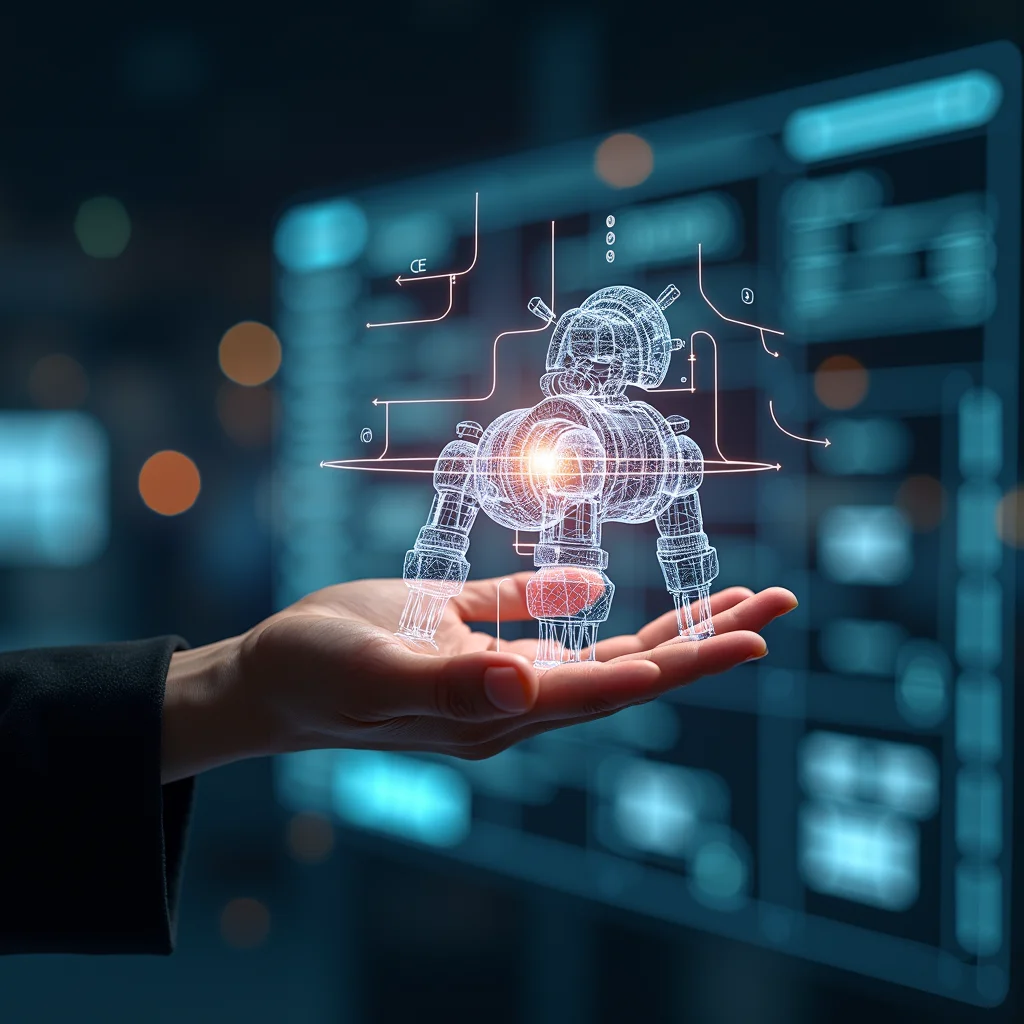
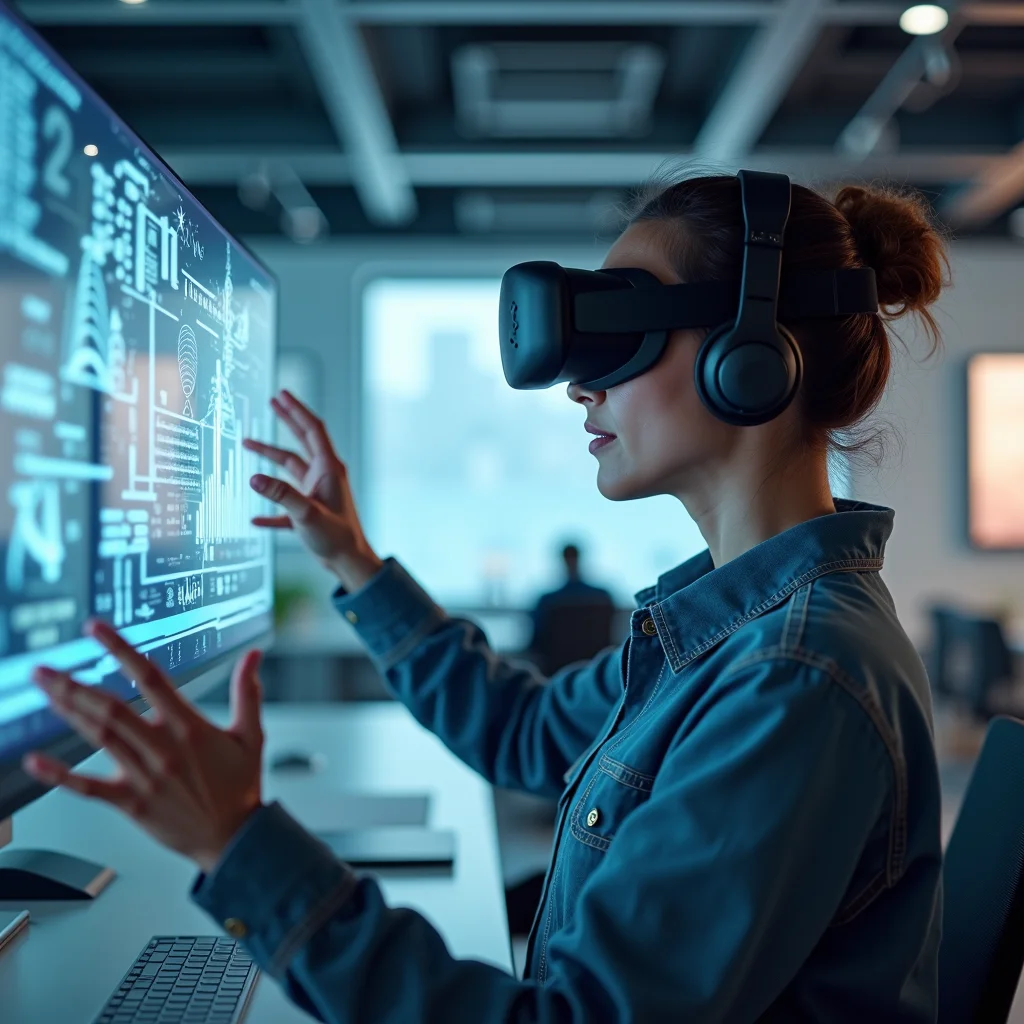
At its core, spatial computing is the ability of a device to understand and interact with the three-dimensional space around the user. Unlike traditional monitors, which confine digital content to a flat plane, the Vision Pro projects interfaces that appear to exist in your real environment. This capability is powered by advanced sensors, high-resolution displays, and sophisticated **user experience (UX)** design.
The device leverages passthrough technology, allowing users to see the real world while simultaneously interacting with virtual elements. This blend of reality and digital overlay is what makes it a true revolution in human-computer interaction.
Key Features and Use Cases
The Vision Pro’s feature set is designed for immersive productivity. We can categorize its potential impact across several key sectors:
- Entertainment and Media: Users can experience cinematic content on massive, virtual screens, or engage in interactive, multi-user virtual reality games.
- Professional Design and Architecture: Designers can collaborate on massive 3D models, manipulating virtual objects as if they were physically present.
- Healthcare and Training: Medical students can practice complex procedures in a risk-free, simulated environment, enhancing **skill acquisition** and precision.
The integration of Apple’s ecosystem, including powerful chips and established developer tools, ensures that the platform is built for scalability and professional deployment.
The shift to spatial computing represents a fundamental change in the computing interface. Instead of looking down at a screen, users are looking out into an augmented reality environment, making the technology inherently more intuitive and less isolating.
The Developer Opportunity: Building for Space
For the tech industry, the Vision Pro presents an unprecedented opportunity. Developers are moving beyond simple app creation and into **spatial application development**. This requires new toolsets and a rethinking of traditional UI/UX paradigms. Companies that master this shift will be positioned to lead the next wave of digital transformation.
The focus on low-latency, high-fidelity interaction means that the underlying AI and machine learning models must be highly optimized to process real-time environmental data. This makes it a critical area for advancements in **MLOps** and edge computing.
Conclusion: A New Era of Interaction
While the initial cost and complexity may limit immediate mass adoption, the technological groundwork laid by the Vision Pro is undeniable. It signals the end of the screen-bound computing era. As developers build sophisticated, industry-specific applications, the Vision Pro will not just be a gadget—it will be the primary portal to a new, spatially integrated digital future.
For more information on the underlying technologies, explore resources on Apple Developer Documentation and read analyses from Gartner on Spatial Computing Trends.