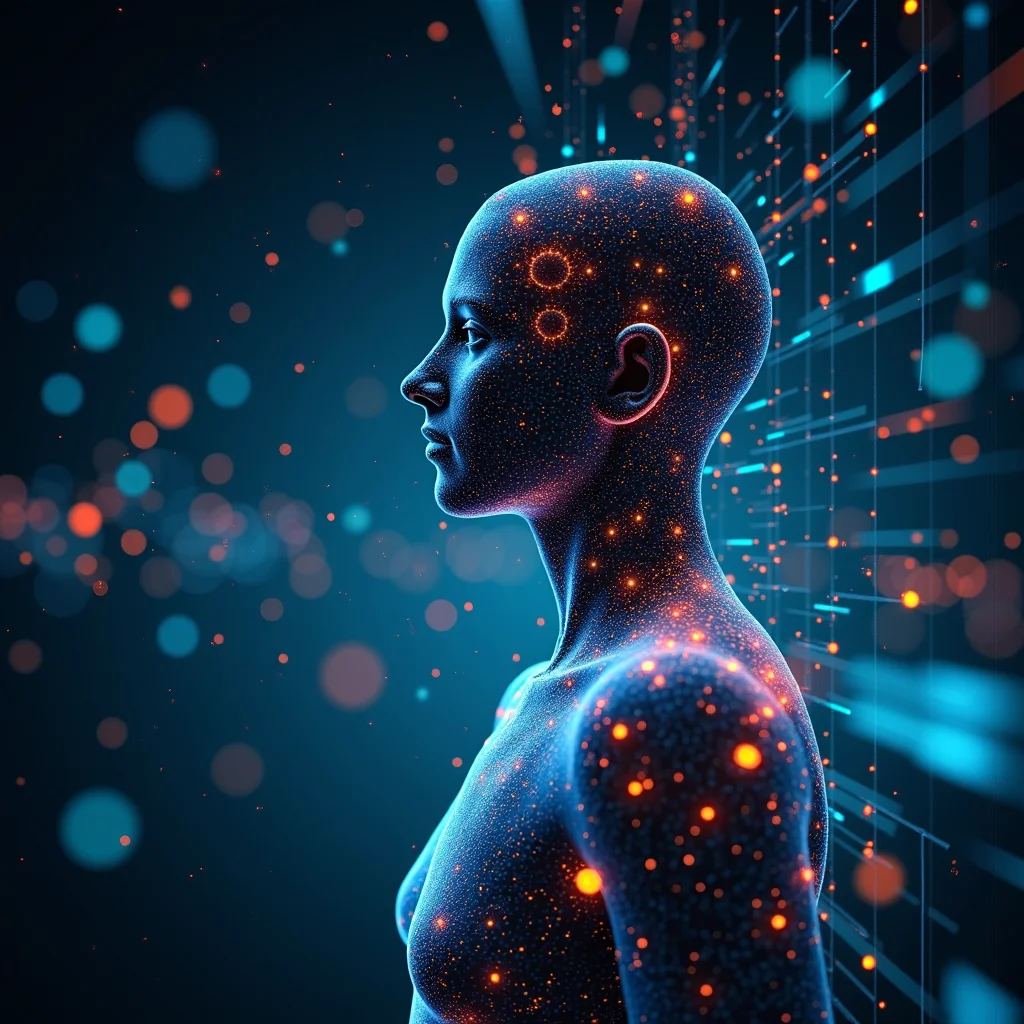
Artificial intelligence (AI) is not just a futuristic concept; it is a powerful, transformative force rapidly reshaping the healthcare landscape. From accelerating **drug discovery** to enhancing the accuracy of **medical diagnosis**, AI is ushering in an era of highly personalized and efficient patient care. This revolution promises to move healthcare from reactive treatment to proactive, predictive wellness.
How AI is Transforming Medical Diagnosis and Imaging
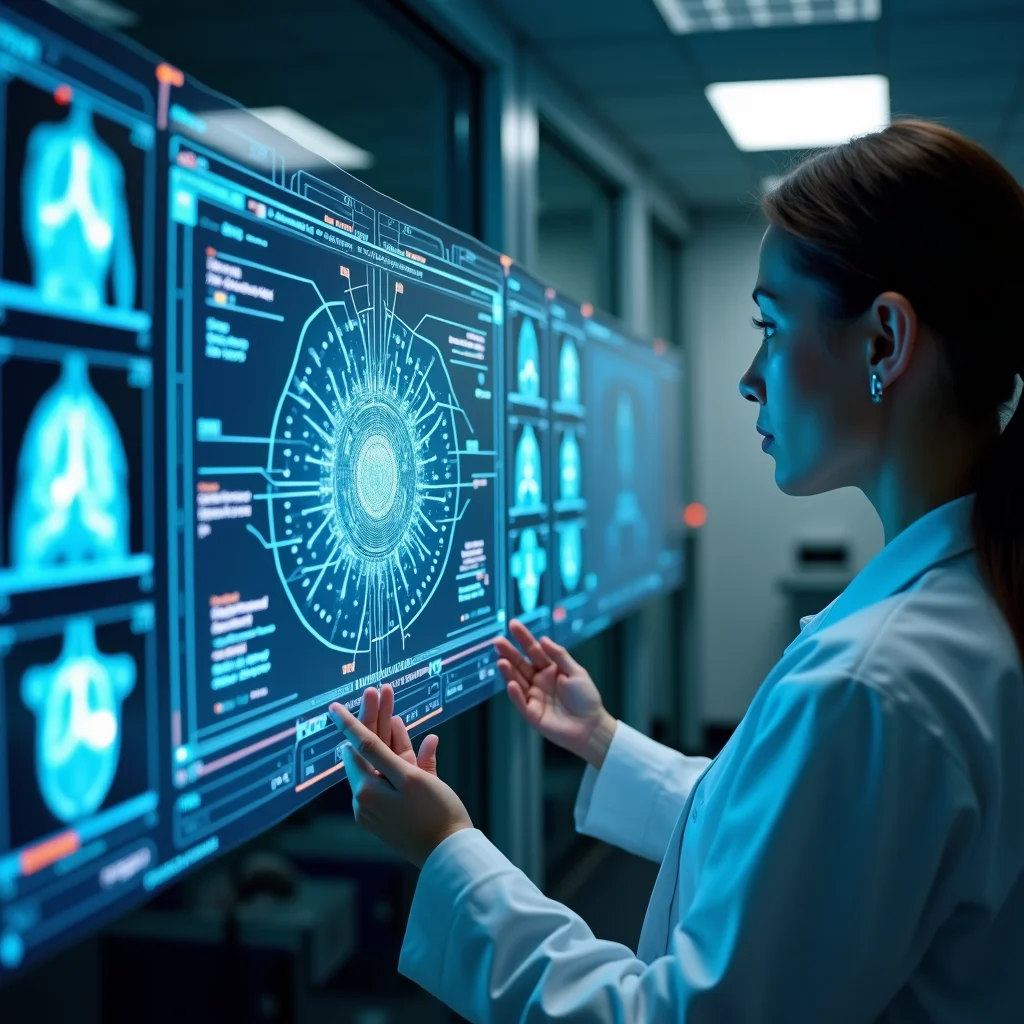
One of the most immediate impacts of AI is in the field of medical imaging and pathology. Traditional methods rely heavily on human expertise, which, while invaluable, can be susceptible to fatigue and variability. **Machine Learning** algorithms, particularly deep learning models, excel at pattern recognition, allowing them to analyze vast datasets—such as X-rays, MRIs, and biopsy slides—with unprecedented speed and accuracy.
In **radiology**, AI systems can flag subtle anomalies, such as early signs of cancerous nodules, often before they are visible to the human eye. Similarly, in pathology, AI assists in analyzing tissue samples, quantifying cell structures, and identifying markers that indicate disease progression. This capability doesn’t replace the radiologist or pathologist; rather, it acts as a sophisticated **co-pilot**, significantly reducing false negatives and improving diagnostic confidence.
The Power of Personalized Medicine and Genomics
The concept of **personalized medicine**—tailoring treatment to an individual’s genetic makeup and lifestyle—is fundamentally reliant on AI. Genomics generates massive amounts of complex data. AI algorithms are essential for sifting through these genomic sequences, identifying specific mutations, and correlating them with potential drug responses. This allows clinicians to predict which treatments will be most effective for a specific patient, minimizing the trial-and-error approach of traditional medicine.
The consensus among experts is clear: AI’s primary role in healthcare is **augmentation**, not replacement. It empowers human doctors and researchers by handling the computational burden of massive data sets, allowing them to focus on the critical aspects of patient care and complex decision-making.
Addressing the Hurdles: Ethics, Privacy, and Regulation
Despite the immense promise, the widespread adoption of AI in clinical settings faces significant challenges. Foremost among these are **data privacy** and security. AI models require access to highly sensitive patient data, necessitating robust encryption and adherence to regulations like HIPAA. Furthermore, issues of algorithmic bias—where AI models trained on non-diverse data may perform poorly for certain demographic groups—must be rigorously addressed.
Policymakers and tech developers must collaborate to establish clear regulatory frameworks. The future demands not only technological breakthroughs but also the establishment of trust, ensuring that AI tools are transparent, explainable, and ethically sound. The integration of AI into clinical workflows requires a shift in training, making the clinician comfortable with the technology as a reliable, integrated tool.
Conclusion: A Smarter, Healthier Future
The convergence of **Artificial Intelligence** and **Healthcare Technology** is set to redefine what is possible in human health. By enhancing pattern recognition, accelerating drug discovery, and enabling truly personalized care, AI is paving the way for a more efficient, accurate, and patient-centric global healthcare system. The coming years promise a renaissance in medicine, driven by intelligent algorithms and human ingenuity working together.