The CTO’s Guide to Composable Architecture: Moving Beyond Monoliths
The modern enterprise technology landscape is defined by speed, scale, and the relentless pressure to avoid vendor lock-in. For Chief Technology Officers (CTOs), the architectural decision is no longer simply about building a feature; it’s about building an adaptable ecosystem. The industry consensus is clear: the era of the monolithic application is fading. The future belongs to **Composable Architecture**.
But what exactly is composable architecture, and how does it change the calculus of technical debt and Total Cost of Ownership (TCO)? This guide provides a deep dive into the strategic shift from rigid monoliths to flexible, best-of-breed systems.
Understanding the Architectural Shift: Monolith vs. Composable
To grasp the power of composability, one must first understand the limitations of the traditional monolith. In a monolith, all components—from the payment gateway to the CMS—are tightly coupled. A change in one area requires testing and redeploying the entire system, leading to slow release cycles and high risk.
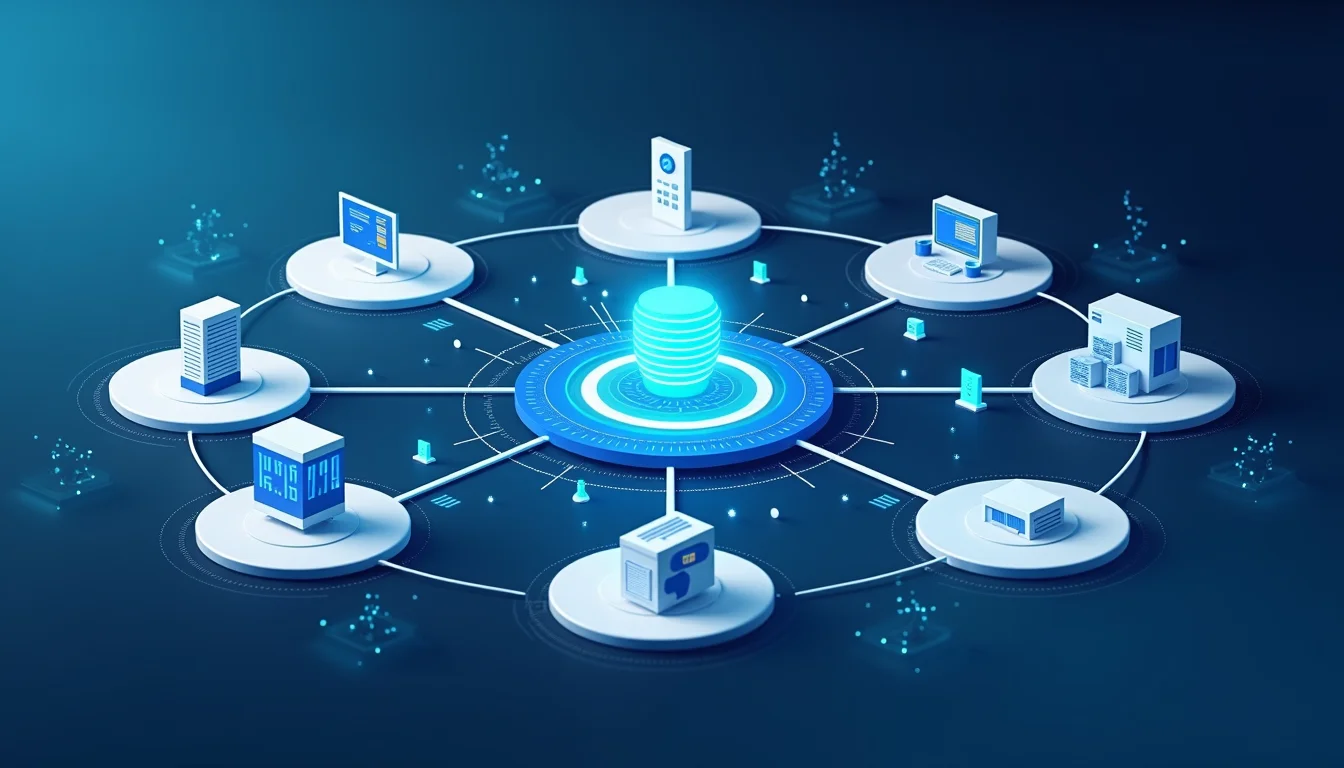
Composable Architecture, conversely, treats the enterprise as an orchestration layer. Instead of building everything internally, it focuses on connecting specialized, best-of-breed services (microservices) via robust APIs. This approach allows the business to mix and match components like specialized payment processors, dedicated search engines, and modern CMS platforms.
The shift is fundamentally a move from ‘build it all’ to ‘buy and connect.’ The focus moves from internal development capacity to strategic integration expertise, mitigating the crippling ‘integration tax’ of traditional development.
The Technical Pillars of Composable Systems
Implementing a composable stack requires adopting advanced architectural patterns and tooling. Three technical pillars are non-negotiable for success:
1. API-First Design and Protocols
The API is the new connective tissue. Instead of relying on internal function calls, all services must communicate via well-defined APIs. While **RESTful APIs** remain foundational, the industry is increasingly adopting **GraphQL**. GraphQL is particularly valuable in composable environments because it allows the client to request only the specific data fields it needs, drastically optimizing payload size and preventing over-fetching across multiple services.
2. Event Streaming and Asynchronous Communication
To ensure services remain decoupled, communication must be asynchronous. Utilizing an **Event Streaming Platform** (like Kafka) allows services to react to events (e.g., ‘Inventory Updated’) without needing to synchronously call every other service. This dramatically increases resilience and scalability, as a failure in one service does not cascade across the entire system.
3. Containerization and Orchestration (Kubernetes)
Managing dozens of independent microservices requires robust deployment tooling. **Docker** and **Kubernetes** are essential for containerizing services and providing the necessary orchestration layer. This enables CI/CD pipelines to deploy, scale, and manage individual services independently, providing the agility required for rapid feature deployment.
The TCO Advantage: Why Complexity Pays Off
While the initial implementation complexity of a composable system is higher—requiring expertise in API gateways, service mesh management, and DevOps—the long-term TCO benefits are transformative. The initial investment in architectural maturity pays dividends through:
- Time-to-Market: Features can be deployed in weeks, not quarters, because teams are not blocked by the monolith.
- Scalability: Services can be scaled independently based on demand (e.g., scaling the checkout service during peak sales without scaling the CMS).
- Risk Mitigation: Vendor lock-in is minimized, allowing the enterprise to swap out a component (e.g., switching payment providers) without a full system overhaul.
For CTOs, the decision matrix is clear: accepting higher initial operational complexity is a necessary trade-off for achieving unmatched business agility and resilience.
Further Reading: For a deeper dive into the operational challenges, consult resources on microservices best practices. To understand the strategic business implications, review Gartner’s guide to enterprise architecture.